Drug Test Cups vs. Drug Test Cards: Which One Should You Use?
Choosing the right drug testing method isn’t just about cost—it’s about accuracy, workflow efficiency, compliance, and risk management.
For healthcare providers, employers, and testing facilities, the decision often comes down to two common options: drug test cups and drug test cards (dip cards).
At first glance, they may seem interchangeable. But in practice, each serves a very different purpose depending on your environment, budget, and level of control required.
Quick Answer:
This guide breaks down the real differences—including hidden costs, accuracy factors, and best use cases—so you can make the right choice.
What Are Drug Test Cups?
How Drug Test Cups Work
Drug test cups are all-in-one screening devices that combine urine collection and testing into a single, sealed system.
Typical workflow:
- Collect urine directly in the cup
- Activate or peel the test panel
- Read results within minutes
Key Advantages of Drug Test Cups
Why Temperature Strips Matter
Temperature validation is critical in professional drug testing.
Urine should fall within a specific temperature range shortly after collection. If it doesn’t, the sample may be substituted or tampered with.
Most drug test cups include:
This makes them a first line of defense against invalid samples—a major advantage in clinical and regulated environments.
CLIA-Waived Status and Accuracy
Many drug test cups are CLIA-waived, meaning they are approved for point-of-care use and provide reliable preliminary results.
They use immunoassay technology, offering:
What Are Drug Test Cards (Dip Cards)?
How Drug Test Cards Work
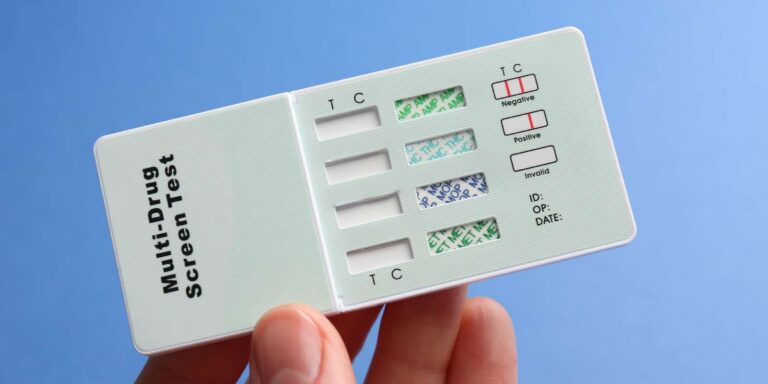
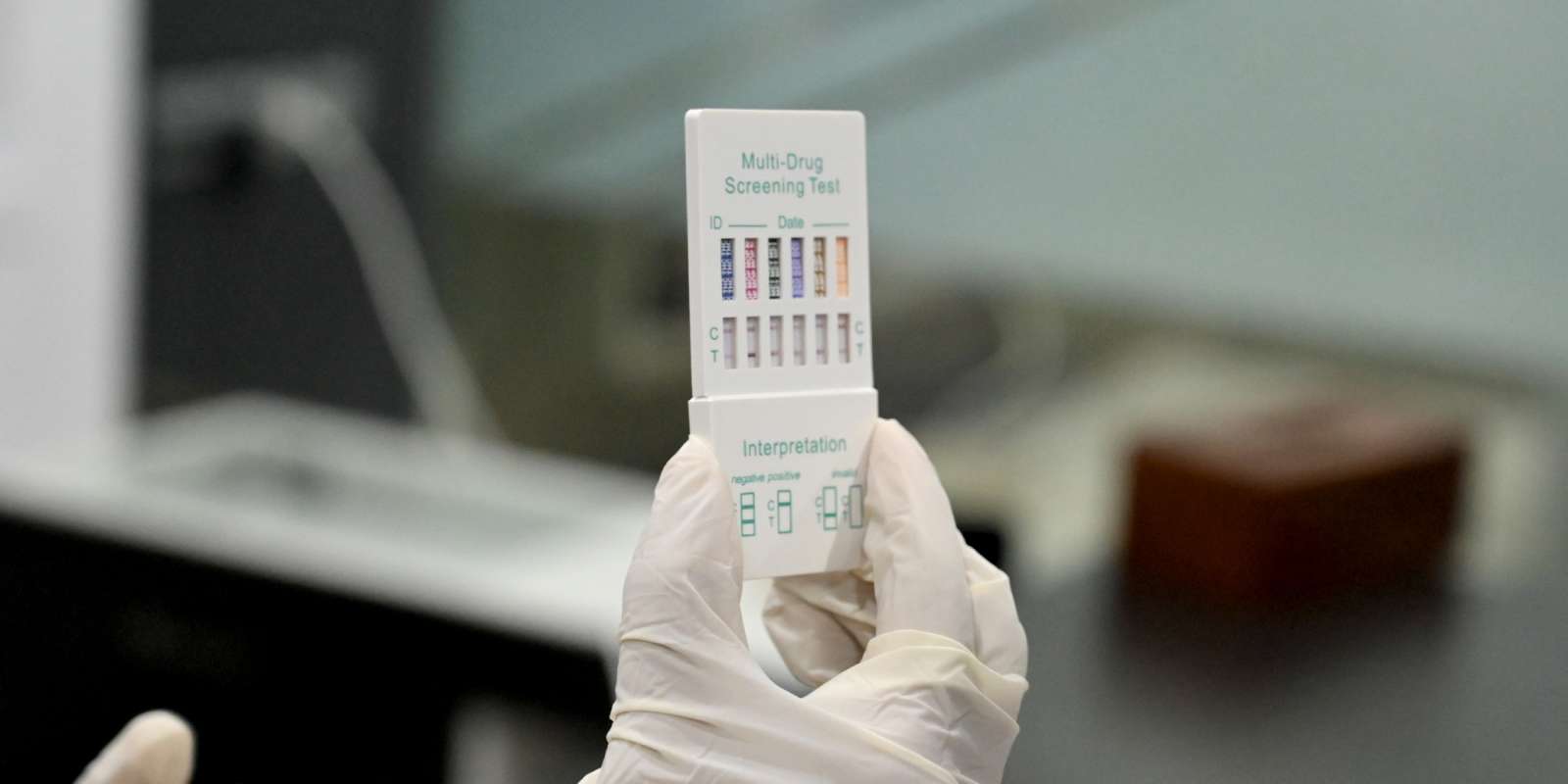
Drug test cards require a separate urine collection step, followed by manual testing.
Typical workflow:
- Collect urine in a separate cup
- Dip the card into the sample
- Wait for results
Key Advantages of Drug Test Cards
Limitations to Consider
Drug Test Cups vs Cards: Side-by-Side Comparison
| Feature | Drug Test Cups | Drug Test Cards |
| Ease of Use | Simple, all-in-one | Multi-step process |
| Accuracy | High, fewer handling errors | High, but user-dependent |
| Contamination Risk | Low (sealed system) | Higher (manual handling) |
| Temperature Check | Built-in | Depends on separate cup |
| Cost Per Unit | Higher | Lower |
| Operational Efficiency | High | Moderate to low |
| Best For | Clinics, labs, workplaces | At-home, low-volume testing |
Featured Snippet Takeaway:
Drug test cups offer greater accuracy and safety, while drug test cards offer lower upfront cost and flexibility.
The Hidden Cost of Drug Test Cards
At first glance, drug test cards appear to be the more budget-friendly option. However, the true cost goes beyond the price per unit.
What Many Buyers Overlook
With dip cards, you also need:
Why This Matters in Clinical Settings
When you factor in:
The initial savings of dip cards can quickly disappear.
Total Cost of Ownership: Cups vs Cards
Drug Test Cups
Drug Test Cards
Bottom Line:
For professional environments, drug test cups often deliver better long-term value despite a higher upfront cost.
Best Use Cases for Each Option
When to Use Drug Test Cups
When to Use Drug Test Cards
Which Drug Test Option Is Right for You?
Choose Drug Test Cups If You Need:
Choose Drug Test Cards If You Need:
Frequently Asked Questions (FAQ)
Final Thoughts
There’s no one-size-fits-all solution—but the differences are clear:
- Drug test cups offer a safer, faster, and more professional solution for clinical and workplace testing
- Drug test cards provide a flexible, low-cost option for less demanding environments
For organizations prioritizing accuracy, efficiency, and compliance, drug test cups are often the smarter long-term investment.