What Drugs Do Multi-Panel Drug Tests Detect? (5, 10, 12 Panel Explained)
Multi-panel drug tests are widely used across healthcare, workplace compliance, and at-home screening—but understanding what each panel actually detects is essential for making the right decision.
The difference between a 5-panel, 10-panel, and 12-panel test comes down to which substances are included—and how comprehensive the screening is.
Quick Answer:
Choosing the right panel depends on risk level, compliance needs, and testing goals
What Is a Multi-Panel Drug Test?
How Multi-Panel Drug Tests Work
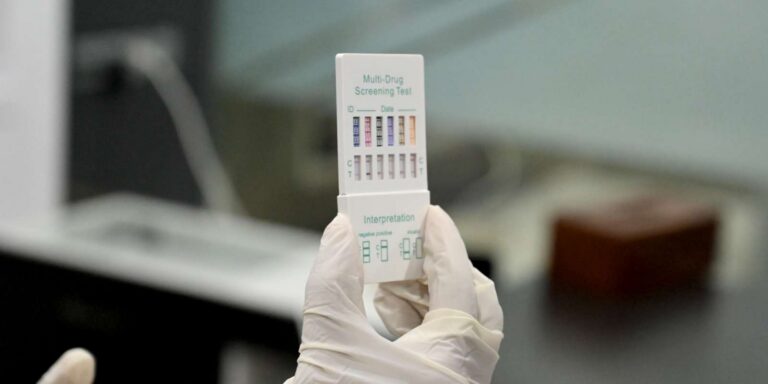
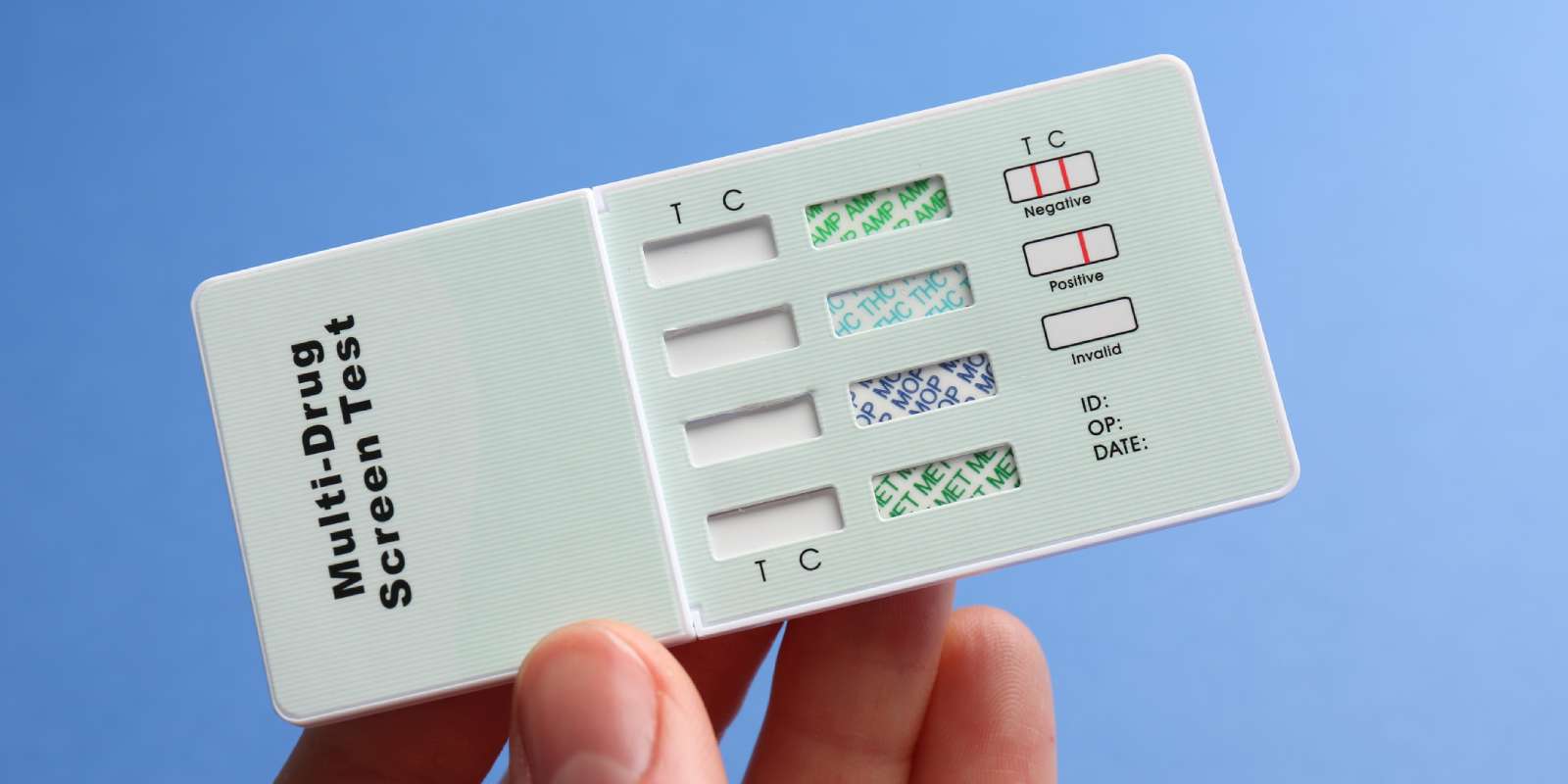
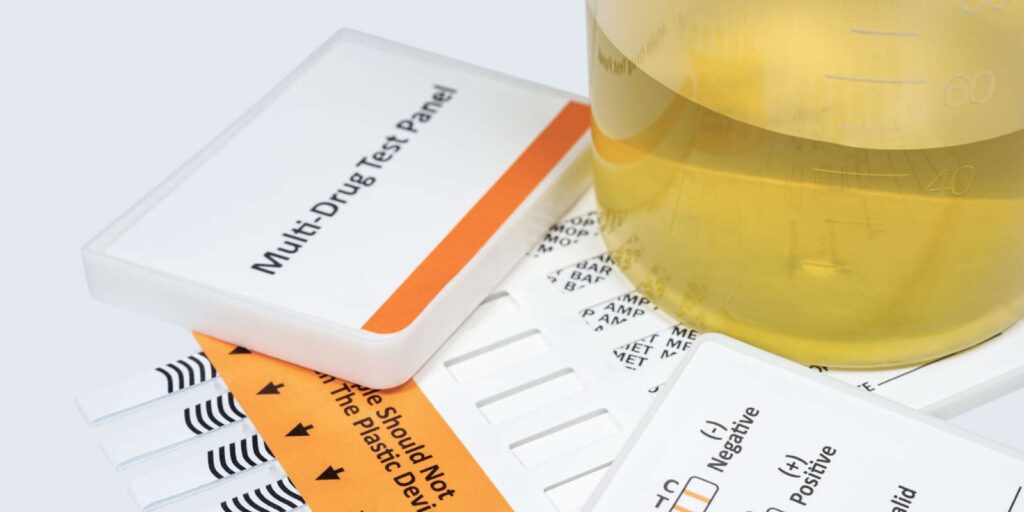
Multi-panel drug tests use immunoassay technology to detect drug metabolites in urine.
Why Panel Size Matters
Important: Panel size affects what drugs are detected—not how far back detection goes
What Does a 5-Panel Drug Test Detect?
Standard 5-Panel Drug List
Opiates vs. Opioids (Critical Distinction)
Key Insight:
A 5-panel test typically does NOT detect many modern opioids, making it insufficient for certain risk environments.
Best Use Cases
What Does a 10-Panel Drug Test Detect?
Expanded Coverage
Includes 5-panel drugs plus:
Panel Variability Disclaimer
Panel contents may vary by manufacturer.
Always verify the specific product configuration before purchasing.
Best Use Cases
What Does a 12-Panel Drug Test Detect?
Advanced Coverage
Includes 10-panel drugs plus:
Why the 12-Panel Is Critical Today
Modern drug misuse increasingly involves semi-synthetic opioids.
12-panel tests specifically detect:
This makes them essential in:
5 Panel vs 10 Panel vs 12 Panel (Quick Comparison)
| Panel Type | Coverage Level | Key Strength | Limitation | Best For |
| 5-Panel | Basic | Standard compliance | Misses many opioids | Workplace baseline |
| 10-Panel | Moderate | Detects prescriptions | Still limited opioid coverage | Broader screening |
| 12-Panel | Comprehensive | Expanded opioid detection | Higher cost | Clinical & high-risk |
Featured Snippet Answer:
5-panel tests detect basic illicit drugs, 10-panel adds prescription drugs, and 12-panel provides the most complete screening including expanded opioids.
Note: Preliminary vs. Confirmed Results
Multi-panel drug tests provide rapid, preliminary results—not definitive diagnoses.
A positive result is considered a “presumptive positive”
Industry best practice requires:
This confirmation step ensures maximum accuracy before any clinical or disciplinary action is taken.
Detection Window: How Far Back Can Drug Tests Detect?
Key takeaway:
Adding more panels increases what you detect—not how far back you detect it
How to Choose the Right Drug Test Panel
Choose a 5-Panel If You Need:
Choose a 10-Panel If You Need:
Choose a 12-Panel If You Need:
Frequently Asked Questions (FAQ)
Final Thoughts
Choosing the right drug test panel is about balancing cost, coverage, and risk.
For organizations prioritizing accuracy, compliance, and comprehensive screening, higher-panel tests often deliver the greatest long-term value.