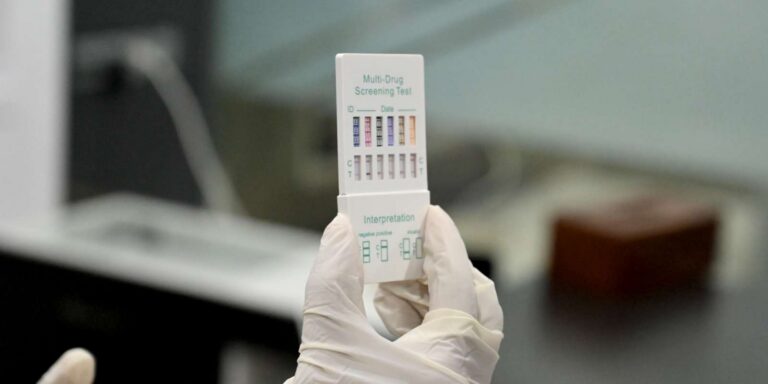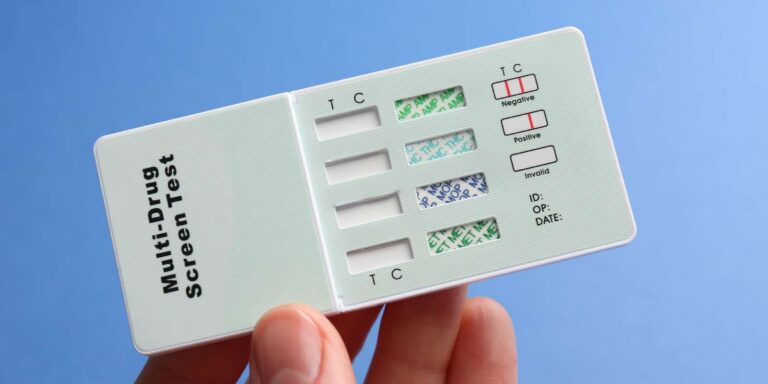

Why CLIA-Waived Fentanyl Testing Is Becoming Essential in Drug Screening Panels
Fentanyl has rapidly emerged as one of the most dangerous substances in today’s drug landscape—yet many standard drug testing panels still fail to detect it.
This creates a critical gap between what organizations are testing for—and the substances that pose the greatest real-world risk.
Quick Answer (Optimized for AI & Voice Search):
Most standard drug tests do not detect fentanyl. CLIA-waived 13-panel drug tests that include fentanyl provide fast, on-site screening and help close this critical detection gap.
For healthcare providers, employers, and compliance programs, fentanyl testing is no longer optional—it’s becoming essential
What Is Fentanyl and Why Is It a Growing Concern?
Understanding Fentanyl
Fentanyl is a synthetic opioid used medically for severe pain—but it is also widely present in the illicit drug supply.
It is up to 50 times more potent than heroin and 100 times more potent than morphine, making even trace amounts potentially dangerous.
The Hidden Risk: Drug Contamination
One of the most alarming trends is that fentanyl is often mixed into other drugs without the user’s knowledge, including:
This means individuals who are not intentionally using opioids may still be exposed to fentanyl
Why This Changes Drug Testing Requirements
The Limitations of Standard Drug Testing Panels
Why Traditional Panels Miss Fentanyl
Standard drug tests (5-panel, 10-panel, and many 12-panel configurations) are designed to detect:
However, fentanyl is not included in most standard panels
Opiates vs. Synthetic Opioids (Critical Distinction)
Standard opiate screens do not detect fentanyl, as it requires a specific, dedicated test strip (FYL)
The Real-World Risk
Failing to test for fentanyl can lead to:
In today’s environment, a “negative” test may not mean “risk-free”
What Does CLIA-Waived Fentanyl Testing Mean?
Understanding CLIA-Waived Testing
CLIA-waived tests are designed for:
Why This Matters for Fentanyl Detection
In high-risk scenarios, speed and accessibility are critical
Why Fentanyl Testing Is Now Essential in Drug Screening Programs
Rising Prevalence Across Drug Types
Fentanyl is no longer confined to opioid use—it is now found across multiple drug categories.
This creates a situation where:
Increased Liability and Safety Concerns
Shift Toward Modernized Testing
Forward-thinking organizations are:
The Advantage of 13-Panel Drug Tests with Fentanyl
What Makes 13-Panel Tests Different
13-panel drug tests expand traditional screening by including:
Important Note on Panel Configurations
Not all 13-panel tests are identical.
Depending on the manufacturer, panels may include:
Always review the product insert to confirm fentanyl (FYL) is included.
Key Benefits of Upgrading
1. Closes the Fentanyl Detection Gap
2. Enhances Safety and Risk Management
3. Enables Fast, On-Site Screening
4. Strengthens Compliance and Due Diligence
Comparison: Standard Panels vs Fentanyl-Inclusive Panels
| Feature | Standard Panels (5/10/12) | 13-Panel with Fentanyl |
| Fentanyl Detection | Not included | Included |
| Opioid Coverage | Limited | Expanded |
| Risk Visibility | Partial | Comprehensive |
| Clinical Relevance | Traditional | Modern drug landscape |
| Best Use Case | Basic screening | High-risk & clinical environments |
Featured Snippet Answer:
Standard drug tests often miss fentanyl, while 13-panel tests with fentanyl provide comprehensive detection aligned with today’s risks.
H3 Note: Preliminary vs. Confirmed Results
CLIA-waived drug tests provide rapid, preliminary results.
A positive result is considered a “presumptive positive”
Best practice requires:
This ensures accurate, legally defensible results before action is taken
Detection Window: What Fentanyl Testing Can and Cannot Do
Important:
Adding fentanyl increases what you detect—not how long it is detectable
Who Should Be Using Fentanyl-Inclusive Drug Tests?
Ideal Use Cases
When It’s Time to Upgrade
If your current testing program:
It’s time to consider fentanyl-inclusive testing solutions

Frequently Asked Questions (FAQ)
Final Thoughts
Drug testing is no longer just about compliance—it’s about keeping pace with an evolving and increasingly dangerous drug landscape.
Organizations that fail to adapt may be operating with critical blind spots
For those prioritizing safety, accuracy, and comprehensive screening, fentanyl-inclusive testing is no longer an upgrade—it’s a necessity.